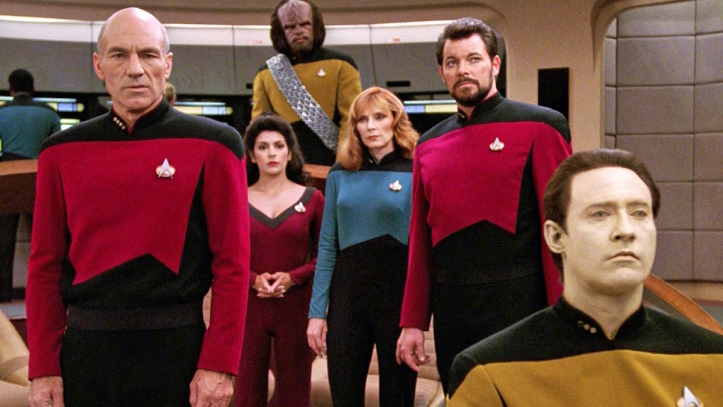
As Star Trek: The Next Generation turned the corner from the ’80s into the ’90s, something astounding happened. This pale imitation of a classic scifi series abruptly came into its own, leaping forward in design and storytelling. The success story of TNG really begins in Season 3, because it was here that the show emerged as a sit-up-and-take-notice space opera.
We can start with the look of the show, which got a visual bump in many departments. My favorite change here is jettisoning those unflattering spandex uniforms (at least for the main cast) in favor of thicker and much better-looking outfits. I like to think that the lower-ranked members of the Enterprise gritted their teeth at having to wear those old leftovers, but even those were gradually replaced over the course of the series.
But it was much more than visuals. While the first several episodes this season were pretty meh, it wasn’t long before there was a noticeable improvement in the overall quality of these episodes. We got better stories more often than we ever did before, and I truly believe that this is thanks to a new crop of writers (including Ronald D. Moore) and a continuing shift away from Gene Roddenberry’s nonsensical restrictions.
There are some genuinely thrilling high-tension episodes like “Booby Trap,” a couple of decent Romulan tales (“The Enemy,” “The Defector”), a pretty amusing Q episode (“Deja Q”), a bizarrely fascinating tale of Data making his own child (“The Offspring”), a momentous moment for Worf (“Sins of the Father”), a powerhouse return of a TOS character (“Serek”), a breezy holiday episode (“Captain’s Holiday”), and a look at how an antisocial klutz might struggle as a member of the crew (“Hollow Pursuits”). Sure, there are plenty of clunkers in this season as well, but the ratio is much, much higher than it ever was in Season 1 and 2.
I think it helped all around that both the actors and writers were feeling comfortable with these characters. They had backstories, personalities, and motivations, and those all played into the events of this season. By letting them fail, fight, or show quirks, the core cast became more relatable and likable to us. I also like how, starting with this season, there was a lot more effort put into continuity. Things that happened in previous episodes had impact in subsequent ones — or were referenced, at least.
I want to take a quick minute to talk about Wesley Crusher. This teen prodigy was an annoying presence in Season 1, constantly saving the day and making the rest of the cast look bad in comparison. Most of the complaints about him stem from that time, as the writers did a better job making him less the wunderkind and more a pretty-bright-but-still-learning acting ensign. But you could still see that they didn’t know how to use him well, so in S3, he gets shoved to the background somewhat. They did end up promoting him to full ensign and delaying his entrance to Starfleet Academy, but you can sense that his time was about up on the ship.
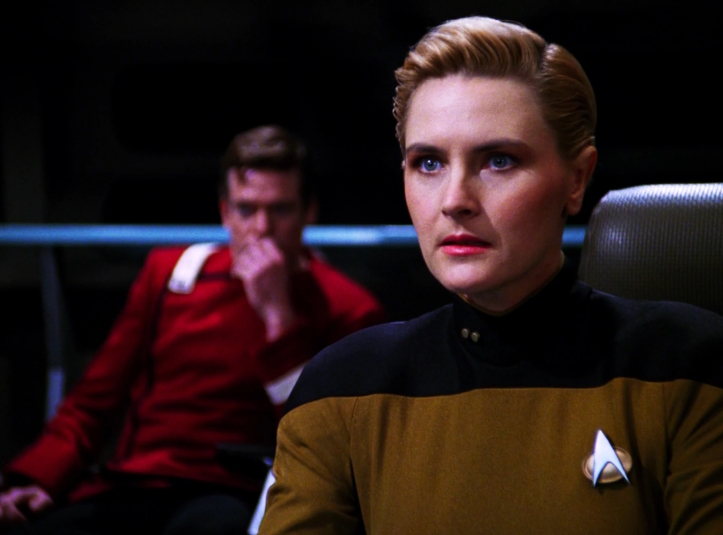
Of course, what really helped put TNG on the map was the one-two punch of “Yesterday’s Enterprise” and “Best of Both Worlds Part 1.” The show really swung for the fences on both of these with an increased budget, scope, and ambition — and it paid off both times to create some of the best Trek episodes ever made. “Yesterday’s Enterprise” somehow managed to cram together a time travel plot, an alternate universe, the return of Tasha Yar, lots of battle scenes, and our first look at the Enterprise-C without making any of it feel cluttered. My daughter, who was watching this season with me for the first time, was bowled over by how cool this was.
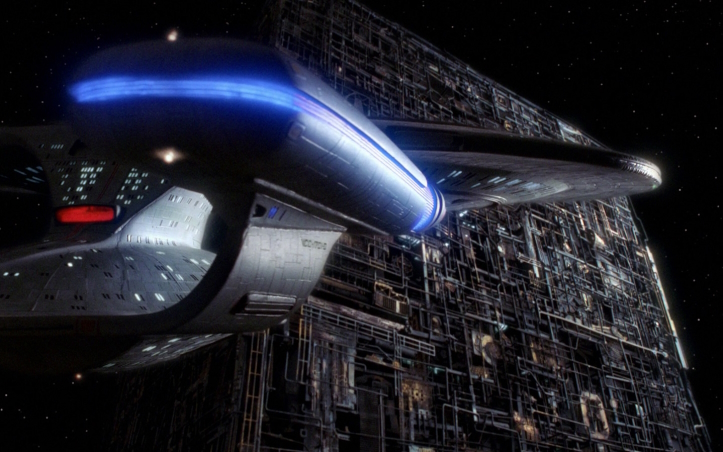
And she got totally “creeped out” by the return of the Borg in “Best of Both Worlds.” I shared with her how all us Trekkies back in the day were flabbergasted when Picard was kidnapped, assimilated, and turned against the crew, only to have Riker decide to attack with a super-weapon anyway… and we got one of the biggest “TO BE CONTINUED” notices in all of TV history. Then we had to wait for an entire SUMMER to find out what happened next. I’m surprised we all didn’t have mental breakdowns.
That episode was awesome, though, and risky to damage Picard so greatly and shove Riker into the Captain’s chair. I think it’s a big shame that this great moment of character development was undone by a quiet demotion back to first officer in Season 4, but I think the writers backed themselves into a corner and had no alternative apart from getting rid of him or Picard.
I always mark Season 4 as the time when I really got into TNG in a big way, but looking back, I see that Season 3 helped to set the stage for my increased interest. It simply became a better show with a more assured identity, and by the time summer 1990 came around, everyone was talking glowingly of TNG in a way that they weren’t before. It may not be the best season of TNG — I like Season 5 the most — but it’s probably the most important one.
 Mutant Reviewers