
For this month’s Mutant Roundtable, we asked our team to give some praise an underrated movie soundtrack that they adore:
Thomas: Many of my favourite film soundtracks were written for pretty awful films, from Eragon to The Cloverfield Paradox, but right now I feel the need to highlight a relatively underappreciated gem from the maestro himself, John Williams. And that is his weird, funky, synth-driven score for the 1981 romantic sci-fi comedy, Heartbeeps.
I hear that this is not a great film. Justin’s review here on Mutant Reviewers is uh… scathing, to say the least. Personally, I haven’t seen a single frame of it, and I’m content to never seek it out. The music is all I need!
John Williams is usually synonymous with a sumptuous orchestral sound, but it’s actually delightful to hear him play in some electronic instruments for once. This soundtrack is colourful and playful and is just another case of Williams writing extremely evocative and memorable melodies. I dare you not to have fun with the track titled “Crimebuster!”
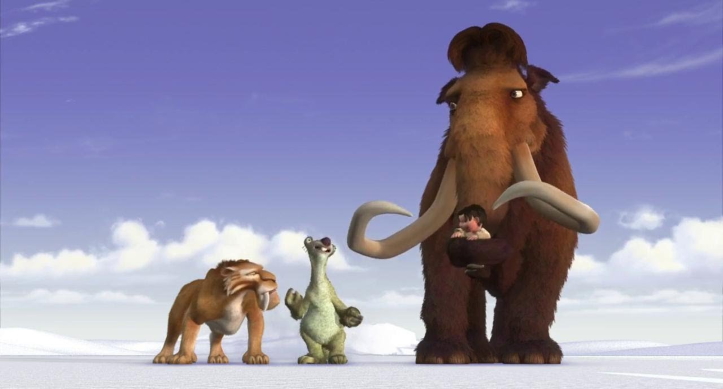
Heather: My pick is Ice Ages 2-4, composed by John Powell.
John Powell is an accomplished and prolific composer, and you’ve certainly heard his scores before (I’m confident that anyone reading this has watched How To Train Your Dragon). The man puts out incredible work. Unfortunately, some of his best is found in three Ice Age sequels that no one saw and yet somehow kept getting made. It is truly a shame, because these soundtracks are powerful, sweeping, epic, and grand.
Do yourself a favor and look up “Herd Reunion.” Here’s hoping Mr. Powell is able to keep giving us such amazing pieces of music.

Sitting Duck: The only thing legendary about The Legend of Hillbilly John is how epically terrible the songs are. The folk music revival has had a decidedly mixed record, and the songs Hedges Capers composed and sung for the movie are among the low points of that movement. Especially “ABC,” which was made more horrific by them having the gall to reprise it.
The one notable standout from all this cacophonic dross is “The Song of the Defy” as performed by Hoyt Axton over the opening credits. This is an amazing song which conveys all the heart and soul of Appalachia that every other song in the soundtrack fails to capture.
In fact, you should just go over to YouTube and check it out yourself. But be careful not to stay past the end of the opening credits. Unless you want to listen to Hedges Capers engage in some post-coital serenading by crooning about King Nebuchadnezzar.
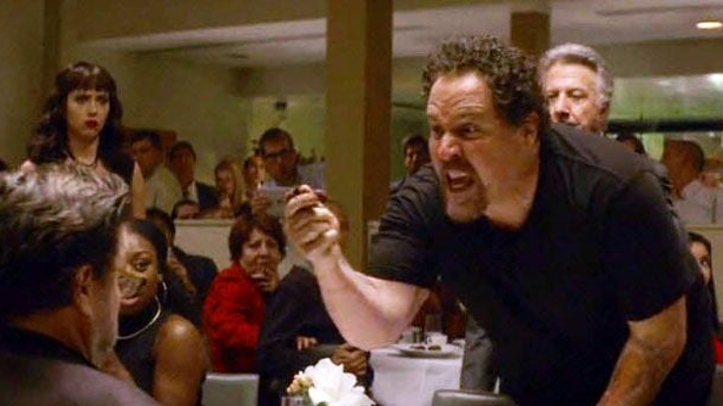
Anthony: I’ve gushed high and low on these here pages about Jon Favreau’s 2012 food fest Chef, and I do not hesitate do pester you all about it again to highlight its absolute little gem of a soundtrack. Favreau’s passion for good food is entirely palpable throughout the film and one of the elements that makes it so is the constant flux of Cuban rhythms and the occasional R&B classic thrown in.
This entire movie came out of left field for me, took me by surprised in every way and quickly became my rainy day movie, the one to watch when I need chicken soup for the soul (shout out to that company that went bankrupt recently). And the music found in it certainly plays a huge part.
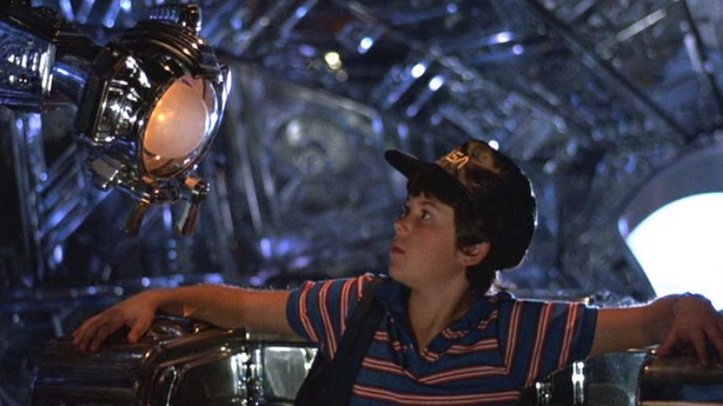
Justin: When you think of John Williams and Alan Silvestri, you’re probably going to their biggest and best-known works. Yet both of them have plenty of amazing soundtracks that aren’t often discussed, so I’d like to give props to two movies they did in the ’80s.
For Williams, I will never get tired of listening to the score of 1986’s SpaceCamp. It’s got majestic sweeping parts, a really fun training montage theme, and even some sillier bits. And then for Silvestri, I admit to being a big fan of his synth-dominated Flight of the Navigator (also in 1986). That score just hits so hard for me with the kind of audio personality we don’t get in movies today. I think these both prove that we shouldn’t have completely abandoned synth soundtracks in the subsequent decades.
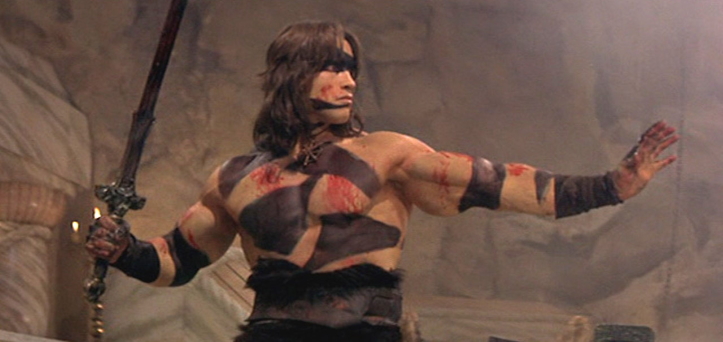
Drake: This is an easy one. The Conan the Barbarian soundtrack. There. I’m done.
OK, I’ll flesh this out a bit more, but only because I live in fear of Justin’s vanadium fist. Honestly, I think movie soundtracks often fall under the radar unless they become iconic (like half of John Williams’ scores) or feature a song that’s fairly well embedded in the public’s conscious. Most movies aren’t so fortunate to have the dreaded Jaws beat or the bombastic Star Wars opening, but there are still gems out there that fall under the rug when they should be sitting in the display case, and the Conan the Barbarian soundtrack is one of them.
As composed by Basil Poledouris, this is a score that helped the film immeasurably. Written by Oliver Stone (who wanted to set the movie in a post-apocalyptic world), directed by John Milius (who wanted to direct a Viking flick) and starring a bodybuilder, Bob Fosse’s favorite dancer and a surfer, Conan the Barbarian by all rights should have been a flop.
Somehow, it wasn’t. Despite veering wildly from Robert E. Howard’s literary source material, the movie was a rollicking good time, and one of the best sword-and-sorcery movies ever made. A limited field, sure, but it still sits at the top, and that’s largely because of the soundtrack.
If anyone involved understood Conan, it was Poledouris. Utilizing powerful drums, dramatic horns and operatic vocals, Poledouris brought the sounds of the Hyborian Age to life in a compelling fashion, driving the film with a performance that outshone that of the neophyte actors involved. Tough and uncompromising, the music conveys a world where iron and steel decide the fate of nations while rogues and assassins creep through dark alleys and swaggering bravos keep one hand on their blades and one eye on the treasures in a crowded bazaar. It’s a classic to be sure, and one of those instances where a film’s sound gave it a larger-than-life appeal.
Now if you’ll excuse me, I’m going to throw back a mug of grog and sack the Temple of Set. A Mutant sell-sword’s work is never done.
 Mutant Reviewers
Tank Girl
I, too, thoroughly endorse the Conan The Barbarian soundtrack.
For me, it’s the high point of Poledouris’s career. Although I don’t want to give short shrift to his work on Hot Shots: Part Deux…