When you’re a geeky movie fan, chances are extremely good that you love sequels and franchises. Ghostbusters by itself was a fantastic film, but Ghostbusters as a collected franchise — three (four? Has the internet forgiven this one yet?) movies, two TV shows, a video game/unofficial sequel, comics, etc. — is a great swimming pool in which fans can splash around and enjoy with some semblance of variety.
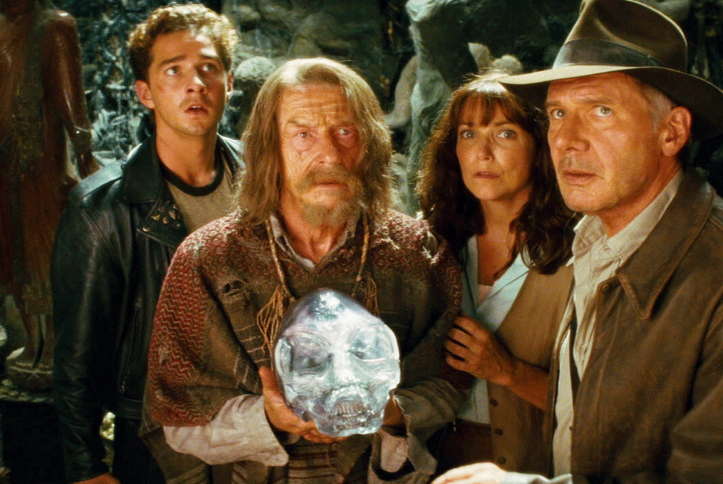
We love for franchises to grow up with us and continue. I’m just as guilty of that desire as anyone else. When I heard that there would be a fifth Indiana Jones movie this summer, I crossed my fingers to hope that it would put a better capstone on the series than Crystal Skull. Having Bill and Ted come back, Ralphie do one more Christmas Story, or even see Michael Keaton don the bat-cowl again in The Flash appeals greatly to my middle-aged sensibilities. Maybe the ride isn’t over, my brain thinks. Maybe there’s still enough juice left in the franchise, enough gas left in the DeLorean, and enough inspiration to bring the band back together.
I don’t hate sequels. I don’t dislike franchises. I even think there’s something admirable about aging stars and filmmakers coming back to do legacy follow-ups. We’ve gotten a couple of really amazing movies that way.
But there are pitfalls, too, and we seem as a pop culture civilization to be falling into those more and more lately. We can’t seem to let anything be. Every franchise needs to be unearthed and rehashed these days for a modern reboot, a passing-the-torch sequel, or a cheap cash grab based on name recognition alone. When I’m seeing Full House coming back on the air, or a new Fresh Prince series, or Willow being mangled by Disney+, alarm bells start going off in my head.
The pitfalls get deeper than just lame, rehashed reprises. Everyone is now conditioned to expect gobs of fanservice and cameos in their movies, even if it comes at the expense of plot and common sense. Everything is a callback, a signpost to the Better Thing that happened a long time ago, while trying to ride that franchise’s coattails to an easy ratings boost.

And probably the worst sign that we can’t stop with our franchise addiction — more specifically, how Hollywood can’t stop pushing it on us — is the incredibly disturbing and creepy trend of literally resurrecting dead actors to shove them into movies via CGI. Seeing Peter Cushing and Carrie Fisher necro’d into Rogue One, or George and Christopher Reeves into The Flash, or Harold Ramis in Ghostbusters Afterlife is a bridge too far.
It’s disrespectful to their memories and speaks to our low morality that we’re not pushing back harder against this sort of thing. We should never be so desperate and hungry to see a familiar face that we resort to such craven tactics. And Hollywood is going to keep on doing it until we as consumers stop showing up for it.
There’s nothing terrible about recasting a role within a series, if you feel that you must continue the franchise and can’t get a star back. That might actually be good, to help train audiences to be a bit mentally flexible. It’s the part, not the actor, that keeps the story going.
But I might posit something even more extreme here. We need to let franchises die. Not just go fallow for a season; die entirely. We — as in audiences and creators alike — need to be OK to close the book on a body of work and move on to other creative projects. There’s no rule saying that a franchise has to continue to endure. Sometimes having that “THE END” (and meaning it!) cements the franchise’s legacy and helps it go out on top instead of diluting it with lesser-quality follow-ups.
I know a whole lot of people wished that we had gotten a fourth Back to the Future movie, but everyone involved stuck to their guns. They made the trilogy, they told a complete story with that came to a great ending, and that was it. They moved on… and so did we. To this day, the franchise is beloved, remembered, and watched, even though it hasn’t produced any new installments since 1990. It’s a great example for other franchises to follow, to be honest.
When should a franchise end? That’s a tougher question to answer. It could be a profitability issue, although you can keep anything profitable if it has a strong name recognition and you lower the budget enough. It could be the amount of time since the last installment (say, 10 years and we put that series to bed for good). It could rest, as Indiana Jones is, on the lifespan of its lead actor.
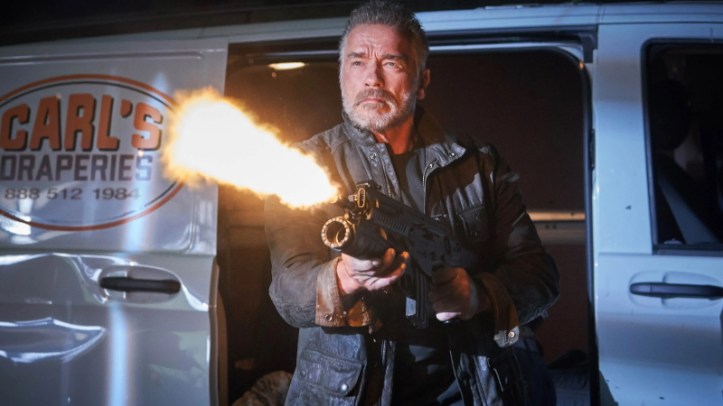
But nobody seems that willing to part ways. We’re still churning out Terminators and Robocops and Aliens and Beverly Hills Cops and Babylon Fives and Star Treks and Jurassic Parks and — of course — every single franchise that Disney holds in its imperial grip. Meanwhile, the creative explosion of great new franchises from the ’80s and ’90s isn’t being replicated today as a result. There’s no room for it, because we’re still looking back (or making homages to the past, as with Stranger Things and Ready Player One).
I would deeply love to see some bold, exciting, geeky, and genuinely fun new franchises spring up in my lifetime. If the ’30s ended up being a new ’80s in terms of innovation in storytelling and experimentation, I would feel happier than if we got Ghostbusters 6 or Blade Runner 3. But that’s only going to happen if we allow the things we love to come to the end of their road and be finished.
 Mutant Reviewers